
Nex Pulse — Daily Market Brief
March 29, 2026 — Global Market Intelligence
Bobin Jang — Market Contributor, Nex Pulse
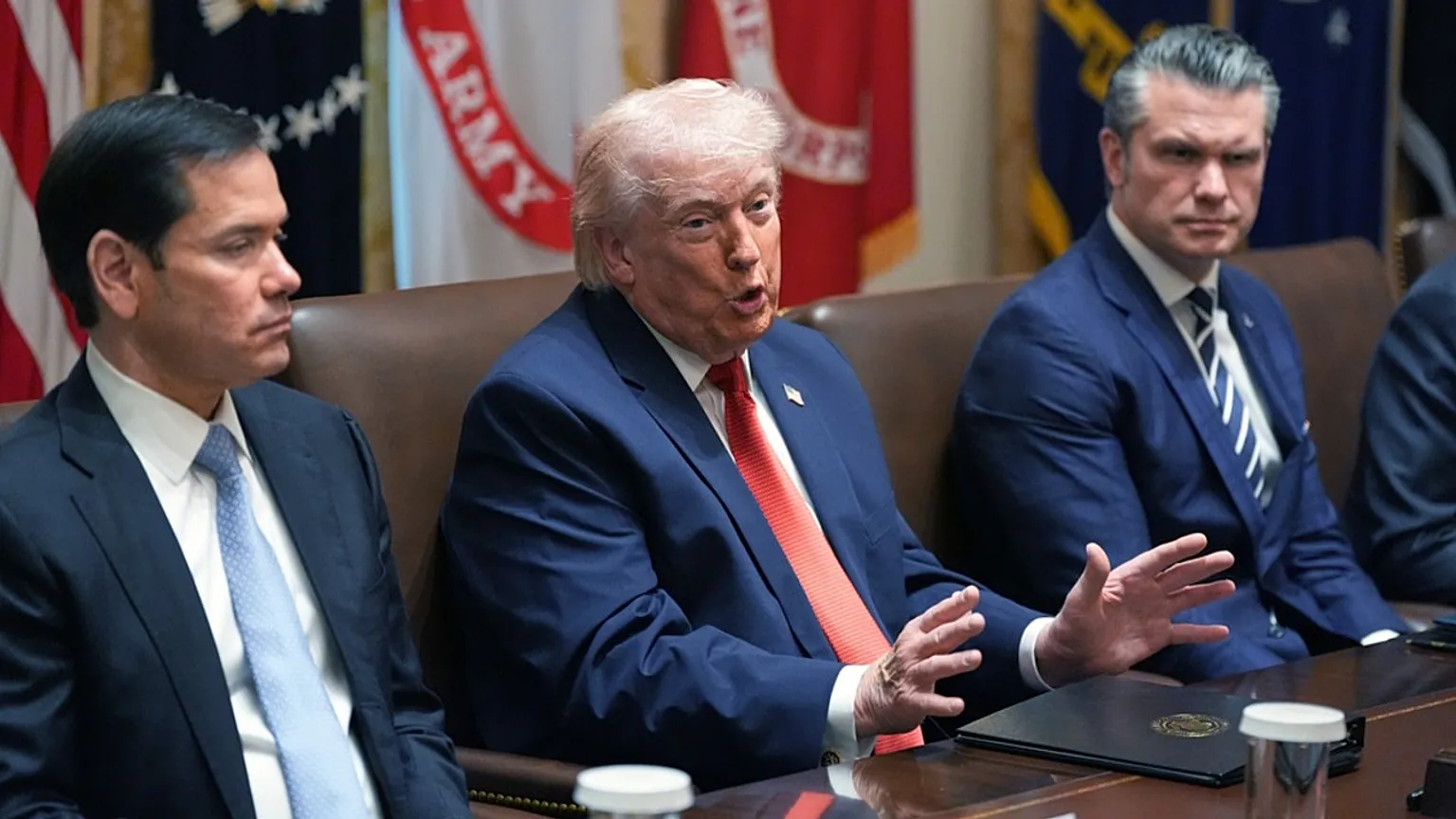
Global Overview
Global financial markets remain under pressure as geopolitical tensions in the Middle East continue to escalate. Despite ongoing concerns surrounding potential U.S. ground troop deployment and Iranian resistance, U.S. equity markets have demonstrated relative resilience.
Historically, U.S. markets have shown stronger reactions to economic disruptions than to geopolitical conflicts. Market participants are increasingly viewing current instability through the lens of economic fundamentals rather than purely geopolitical risk.
At the same time, sustained investor optimism toward large-cap technology leaders continues to provide structural support to U.S. equities, acting as a cushion against broader risk-off sentiment.
Energy & Commodities
Concerns surrounding the potential disruption of the Strait of Hormuz continue to drive volatility across global commodity markets.
Rising uncertainty has led to upward pressure on key industrial inputs, including:
- Aluminum
- Fertilizers
- Energy products
A prolonged disruption could extend cost pressures across multiple sectors, increasing inflationary risks globally and impacting supply chains beyond energy.
Equity Markets
United States
U.S. equities have shown relative stability despite rising geopolitical risks. Markets remain supported by:
- Strong domestic economic conditions
- Growth expectations in the technology sector
- Lower sensitivity to external geopolitical shocks compared to other regions
South Korea
Korean markets experienced broad declines across major indices, driven by:
- Heightened geopolitical uncertainty
- Concerns over export sensitivity, particularly for semiconductor leaders such as Samsung Electronics and SK Hynix
- Sustained foreign capital outflows
Foreign investors continue to reduce exposure, reflecting weaker confidence in emerging market equities under a strong U.S. dollar environment.
Private Credit & Technology Sector Risk
Recent findings indicate that major private credit firms have extended significantly larger loan exposure to software companies than previously disclosed.
Notably, firms such as Blue Owl are estimated to have exposure levels potentially double earlier reported figures.
As uncertainty surrounding demand and profitability in the enterprise software sector increases, there are growing concerns that:
- Fund managers may have underreported exposure levels
- Risk concentration in private credit markets may be higher than expected
- Downside risks in software valuations could spill over into credit markets
Currency & Macro Trends
The Korean won continues to weaken, surpassing the 1,500 KRW per USD level, reflecting:
- Strong demand for U.S. dollar-denominated assets
- Global risk-off positioning
- Interest rate differentials favoring the United States
This environment is accelerating foreign capital outflows and placing additional pressure on emerging market currencies.
Geopolitical Developments
Military developments remain a central driver of market sentiment.
Recent updates include:
- Deployment of U.S. Marines to Middle Eastern bases
- Ongoing speculation regarding potential U.S. ground troop involvement
- Iran signaling strong resistance in the event of escalation
- Discussions around strategic objectives, including control over key resources
Markets continue to react to a dual dynamic of escalation risk and potential diplomatic negotiation, contributing to sustained volatility.
Key Takeaways
- U.S. markets remain relatively resilient due to strong economic fundamentals and supportive positioning in large-cap technology leadership.
- Geopolitical tensions are driving commodity price volatility and global uncertainty.
- Korean equities face pressure from foreign outflows and currency weakness.
- Private credit exposure in the software sector presents emerging systemic risks.
- Currency markets reflect a continued shift toward U.S. dollar dominance.